In a world where screens often dominate our attention, it’s more important than ever to encourage children to explore the wonders of the natural world. Outdoor learning activities not only provide opportunities for physical exercise but also stimulate curiosity, creativity, and a deeper connection to the environment. Here are five engaging outdoor learning activities to try with your child.
1. Nature Scavenger Hunt
Embark on a nature scavenger hunt to encourage exploration and observation skills. Create a list of items commonly found in your local environment, such as leaves, rocks, flowers, or animal tracks. Equip your child with a small bag or basket to collect their treasures and set off on a nature adventure.
As they search for each item on the list, encourage them to use their senses to observe their surroundings and appreciate the beauty of nature. This activity not only promotes outdoor exploration but also teaches children about biodiversity and ecology.
2. Outdoor Art
Unleash your child’s creativity by taking art activities outdoors. Set up an outdoor art station with supplies such as paper, paints, brushes, and coloured pencils. Encourage your child to create nature-inspired artwork, whether it’s painting landscapes, sketching plants and animals, or making leaf rubbings.
Use natural materials like leaves, twigs, and flowers as art supplies, fostering an appreciation for the beauty and diversity of the natural world. Outdoor art not only stimulates artistic expression but also encourages mindfulness and sensory awareness.
3. Planting and Gardening
Get your hands dirty and teach your child about the wonders of gardening. Whether you have a backyard garden, a small patio, or even just a windowsill, there are opportunities to grow plants and vegetables together. Involve your child in every step of the gardening process, from planting seeds and watering plants to harvesting fruits and vegetables.
Gardening teaches children valuable lessons about responsibility, patience, and the life cycle of plants. It also fosters a sense of connection to the Earth and promotes environmental stewardship.
4. Bird Watching
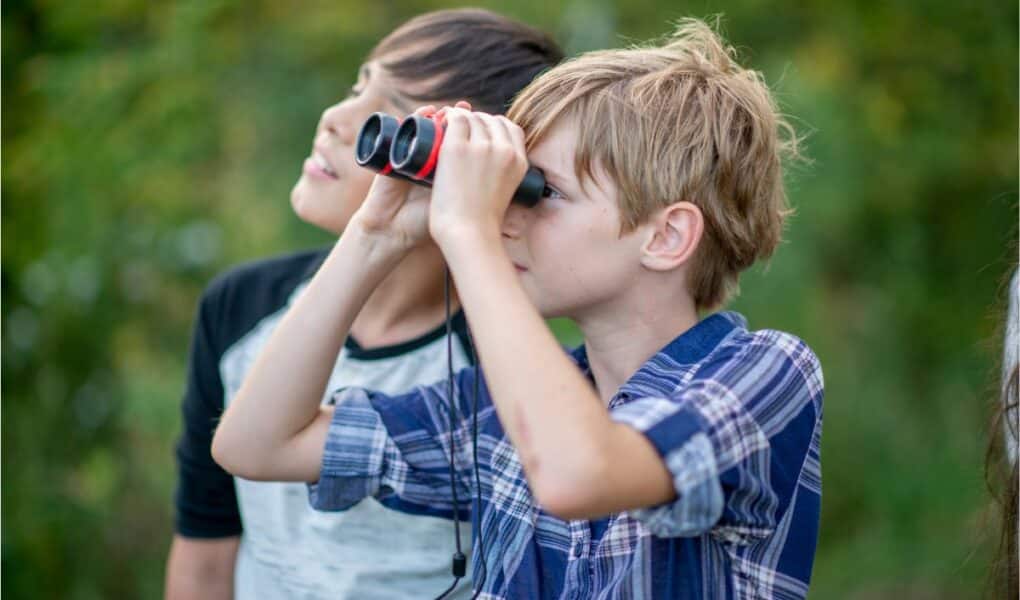
Explore the fascinating world of birds through bird watching. Equip your child with a pair of binoculars and a bird identification guide, and head to a local park, nature reserve, or even your backyard. This independent school in Surrey recommends exploring birds and their species from a young age to start teaching them early on about natural history. Encourage your child to observe and identify different bird species, noting their colours, sizes, and behaviours. You can also set up a bird feeder or bird bath to attract birds to your garden and create opportunities for close-up observation. Bird watching not only promotes curiosity and observation skills but also instils a sense of wonder and appreciation for the natural world.
5. Outdoor Science Experiments
Turn your backyard into a science laboratory and conduct hands-on experiments outdoors. From exploring the properties of water to studying the life cycle of insects, there are countless outdoor science activities to try.
For example, you can build a mini-pond to observe aquatic life, create a DIY weather station to track temperature and precipitation, or conduct simple experiments to learn about plant growth and photosynthesis. Outdoor science experiments not only make learning fun and engaging but also encourage critical thinking and scientific inquiry.
In conclusion, outdoor learning activities provide valuable opportunities for children to connect with nature, explore their surroundings, and engage in hands-on learning experiences.
Whether you’re embarking on a nature scavenger hunt, creating outdoor artwork, gardening, bird watching, or conducting outdoor science experiments, the key is to foster curiosity, exploration, and a deeper appreciation for the natural world. So why not step outside and embark on an outdoor learning adventure with your child today?
*This is a collaborative post