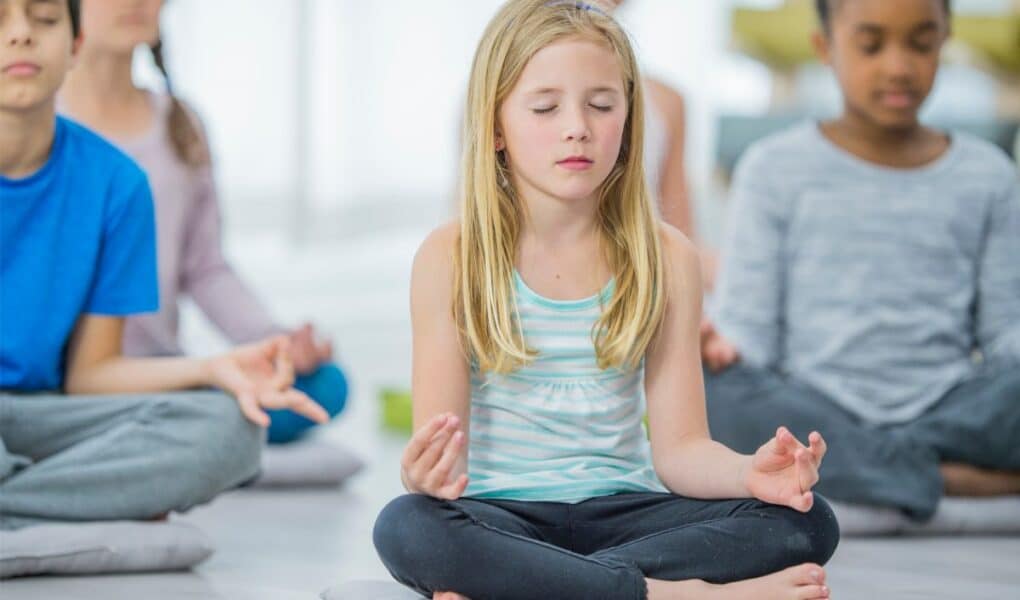
Mindfulness has become a popular practice for both adults and children, helping to reduce stress, improve focus, and promote emotional wellbeing. For children, learning to be mindful can be especially powerful, giving them the tools to manage big feelings, build resilience, and stay present in their everyday lives. Introducing mindfulness to your child doesn’t have to be complicated; in fact, it can be fun and engaging. Here are some simple ways to explore mindfulness together, inspired by the practices of this independent prep school.
What Is Mindfulness?
At its core, mindfulness is the practice of paying attention to the present moment without judgement. It’s about slowing down, noticing your thoughts and feelings, and becoming more aware of your surroundings. For children, this can mean learning how to pause and breathe when they feel overwhelmed, or appreciating the little details in everyday activities.
The Benefits of Mindfulness for Children
Practising mindfulness can have a positive impact on a child’s mental and emotional health. Some key benefits include:
- Improved focus and concentration – Mindfulness exercises encourage children to pay attention, which can support learning at school.
- Emotional regulation – Learning to notice feelings without reacting immediately helps children manage stress or frustration.
- Better sleep – Relaxation techniques, such as mindful breathing, can create calm before bedtime.
- Stronger resilience – Mindfulness gives children coping strategies for life’s challenges.
These benefits don’t just help children in the moment but also lay the foundations for healthy habits later in life.
Simple Mindfulness Activities to Try Together
Mindfulness doesn’t require special equipment or long periods of quiet. Here are a few simple activities you and your child can try:
1. Mindful Breathing
Encourage your child to take slow, deep breaths. You could try “bubble breathing,” asking them to imagine they are blowing bubbles with each exhale, keeping the breath gentle and steady.
2. Nature Walks
Go for a walk and focus on the senses. What sounds can you both hear? What colours do you notice? This encourages children to observe their environment in more detail.
3. Gratitude Moments
At the end of the day, take turns sharing three things you are grateful for. This practice shifts focus towards positive thoughts and encourages reflection.
4. Mindful Listening
Play a short piece of music and ask your child to notice the different instruments or rhythms. This builds focus and attention to detail.
Making Mindfulness Part of Everyday Life
Mindfulness is most effective when it becomes a regular habit. You don’t need to dedicate hours each day – even a few minutes can make a difference. Try weaving mindfulness into daily routines, such as:
- Taking a few calming breaths before school.
- Practising gratitude around the dinner table.
- Using mindful breathing at bedtime to relax.
By making it part of ordinary life, mindfulness becomes a natural tool your child can draw on whenever they need it.
Exploring mindfulness with your child is a wonderful way to connect, slow down, and build resilience together. It doesn’t need to feel like a formal exercise – even small moments of stillness or reflection can have a lasting impact. By modelling mindfulness yourself and practising alongside your child, you’ll both benefit from a calmer, more present approach to life.
*This is a collaborative post