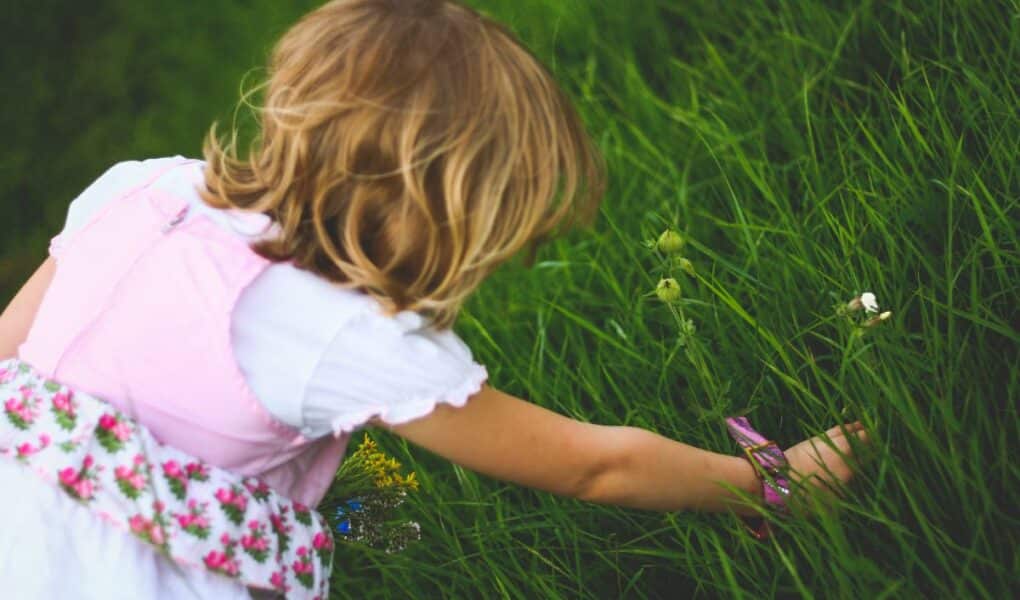
To make a kid-friendly garden, you do not have to have a clipboard and a panic button. You just need to be able to think calmly and plan well. Your lawn is like the “ocean” to children, your flower beds are like the “jungle,” and your shed is like a “mysterious cave.” The objective isn’t to take away the thrill of exploration; it’s simply to remove the hidden dangers that could destroy what should otherwise be a wonderful day outdoors for kids.
A Quick Safety Scan
Take a minute to walk around your yard before the kids start playing. Check for jagged edges, loose tools, thorny trimmings, and anything small enough for a curious child to put into their mouth. Move hoses out of walking paths. Make sure all gates close properly. If you have gravel, consider creating a small play area with a softer type of ground covering that will make a fall less serious. These quick checks help prevent constant stress as you watch over your kids.
Plants, Thorns and “What Does This Taste Like?”
Children tend to discover things by touch and then taste. So, pick carefully which plants will grow near the ground where they can easily access them. If you’re not sure if a bush or a bulb will be safe, move it to a raised bed or a corner of your garden that they can’t get into. Trim back low-hanging branches that could poke their eyes. If you have big trees that drop apples, pears or walnuts, or break off brittle limbs, hire a professional tree surgeon to identify potential hazards you may miss and recommend trimming to maintain both shade and safety.
Water and Heights, Too!
Be careful with all standing water, whether in ponds, buckets, or shallow dishes. Remove any standing water after each use and store watering cans upside down. Compliant fencing is required for pools. Store pool toys inside when no adult supervision is present to discourage climbing into the pool to see “what’s going on.” If your backyard includes retaining walls, stairs or elevated decking, install clear railings, secure handrails, and add good lighting.
The Hidden Chemical Area
Chemicals such as fertilisers, slug bait, weed killer, and paint are common hidden dangers. Store chemicals securely locked away or high in sealed plastic bins. Consider using alternative products which are safer for children and also using physical barriers like mulch, cardboard or manual weeding of small areas.
The Tool Trap: Where Small Hands Find Big Trouble
The most insidious danger in your garden or workshop may come from what appear to be harmless tools and equipment, since children are naturally curious and will find these dangers as long as they are accessible. Spades, shears, rakes and secateurs should all be kept off the ground and out of reach, even when you leave a room for just a few minutes.
The need to police all of your children’s outdoor activities is not necessary to create a safe environment for them. You can design the area that they will be using, inspect it, keep items out of reach when not being used by them, and encourage them to spend time outside in that area.
*This is a collaborative post