It’s funny how utilities are only “working” until the moment they’re not. The boiler hums along, the taps run, the lights come on, and you don’t really think twice about any of it. You just assume it’s all fine because, well, nothing dramatic has happened yet. But a lot of utility problems don’t show up with a bang. They creep up slowly. Usually at the worst possible time.
Most people only notice when something stops working completely. By then, you’re cold, annoyed, and wondering why you didn’t deal with it sooner rather than later.
The problem with things that sort of work
There’s a big grey area between “working perfectly” and “broken.” Radiators that take ages to heat up. Hot water that runs out quicker than it used to. Lights that flicker every now and then. You get used to it. You shrug and carry on.
That’s where the trouble starts. When you normalise small issues, you stop questioning them. You adapt your habits instead. Shorter showers. Extra layers. Turning things off and on again like it’s a personality trait. Those little adjustments are often signs that something isn’t running as smoothly as it should.
Winter has a way of exposing weaknesses
Everything feels more urgent when the temperature drops. Systems that limped through summer suddenly can’t cope. Heating gets pushed harder. Hot water gets used more. That’s why getting ready for winter isn’t just about comfort, it’s about avoiding those mid-January panics when everyone else is also scrambling for help.
Checking things before the cold really sets in gives you options. You’re not rushing. You’re not stuck waiting weeks for an appointment. You’re dealing with issues while they’re still manageable instead of emergency-level stressful.
Safety isn’t dramatic, it’s practical
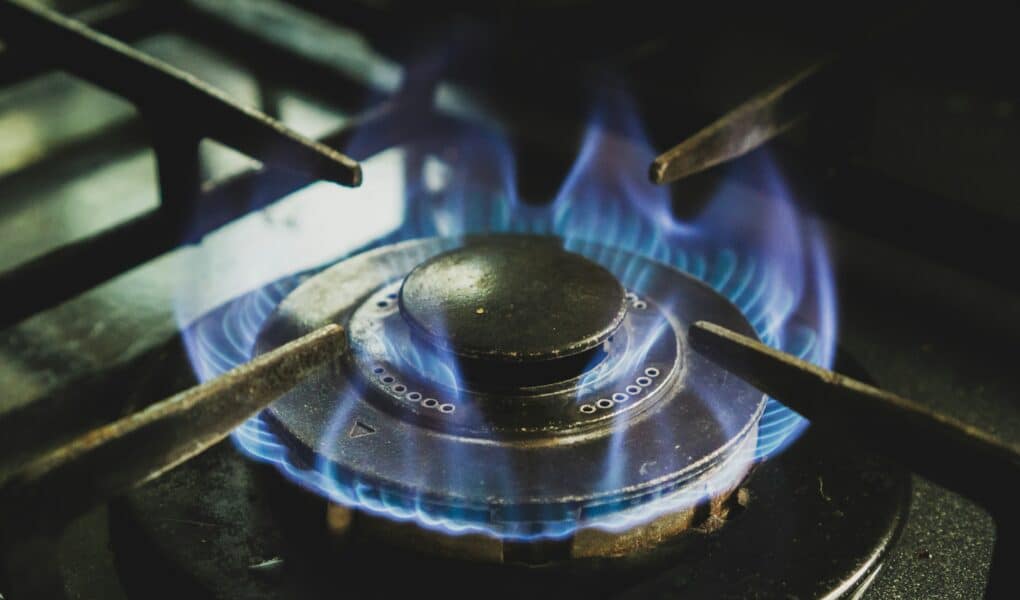
Some checks feel boring until you really think about what they’re for. Gas, in particular, is one of those things people assume is fine until they’re told otherwise. You don’t smell anything. Nothing’s gone wrong. So it must be okay, right?
Having a valid gas safety certificate isn’t about fear or paperwork for the sake of it. It’s reassurance. It tells you that what’s meant to be safe actually is. That peace of mind is easy to underestimate until you realise how much you rely on these systems every single day.
A little attention now saves a lot of hassle later
You don’t need to overhaul everything or become obsessed with maintenance. Just paying a bit of attention goes a long way. Listen to how things sound. Notice changes in performance. Don’t brush off patterns that keep repeating.
Most people who run into big utility problems can trace it back to small signs they ignored. Dealing with those signs early keeps life calmer, warmer, and far less annoying.
At the end of the day, utilities are meant to support your life, not complicate it. If something feels off, it probably is. And sorting it sooner usually feels a lot better than waiting for it to force your hand.
*This is a collaborative post