
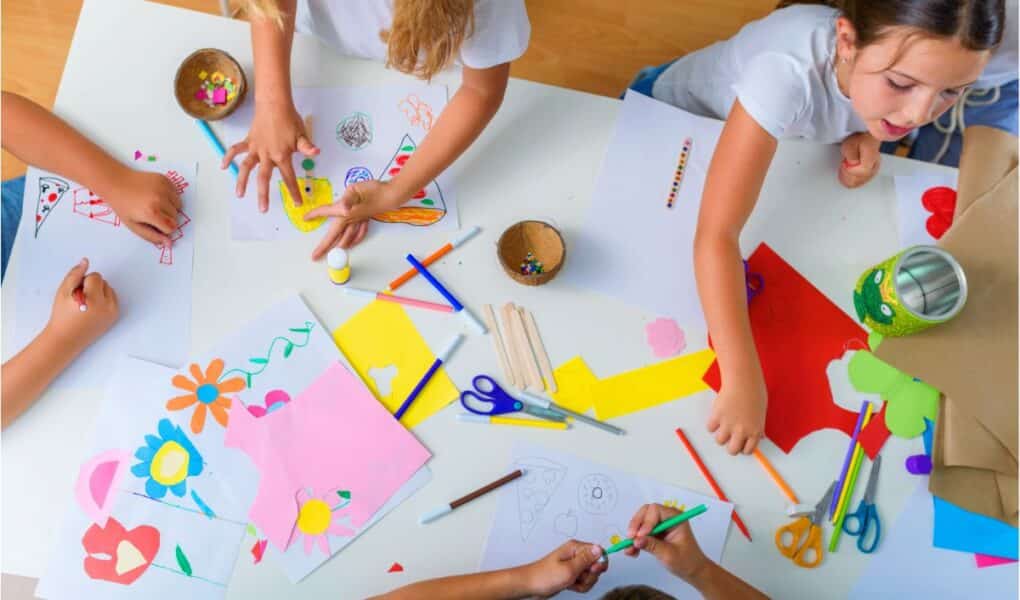
Every child has a natural spark of creativity, whether it shows through art, storytelling, building, or imaginative play. Encouraging that creativity not only helps children express themselves but also strengthens problem-solving skills, builds confidence, and nurtures curiosity about the world. Here are some effective ways to boost your child’s creativity at home and beyond.
Create an Environment for Exploration
This prep school in Kent suggests that children thrive when they have the freedom to explore ideas without pressure. A space filled with simple resources such as paper, crayons, building blocks, and books can act as a creative launchpad. Avoid over-structuring their activities; instead, let them guide their own play and projects. The less rigid the environment, the more opportunities they have to experiment and innovate.
Encourage Curiosity and Questions
One of the easiest ways to support creativity is by welcoming questions—no matter how unusual they may seem. When children are encouraged to ask “why,” “what if,” or “how,” they begin to think critically and develop imaginative solutions. Rather than providing quick answers, consider asking follow-up questions that spark further thought. For example, if they ask why the sky is blue, you might reply, “That’s a good question—what do you think makes it that colour?”
Limit Screen Time and Promote Hands-On Activities
While technology can be a useful tool, excessive screen time can stifle creativity. Encourage children to engage in hands-on activities such as drawing, cooking, gardening, or crafting. These activities require them to use their imagination and problem-solving skills in practical ways, helping them to think more independently. Balance is key—technology can inspire, but real-world experiences often spark the richest ideas.
Value the Process Over the Outcome
When children are working on creative projects, it’s important to focus on the process rather than the final product. Praising effort, originality, and persistence helps them understand that creativity is about exploration and learning, not about perfection. This mindset frees them to take risks and try new things without the fear of “getting it wrong.”
Introduce Variety and New Experiences
Exposure to different experiences broadens a child’s perspective and feeds creativity. This doesn’t have to mean expensive trips—visiting a local museum, exploring a park, or trying a new recipe can all provide inspiration. Encouraging children to read widely, listen to different styles of music, or learn a new skill can also open up fresh ways of thinking and expressing themselves.
Encourage Storytelling and Imaginative Play
Storytelling allows children to weave ideas together, build confidence in self-expression, and develop empathy by putting themselves in someone else’s shoes. Whether through role play, puppet shows, or simply making up bedtime stories, imaginative play strengthens both creativity and communication skills.
Lead by Example
Children often mirror the behaviours they see at home. When parents show creativity—whether by cooking a new dish, sketching, or simply approaching a problem in a fresh way—they demonstrate that creativity is valuable at every stage of life. Sharing your own creative interests can inspire children to explore their own.
Boosting your child’s creativity is less about structured lessons and more about fostering freedom, curiosity, and encouragement. By creating the right environment, celebrating the process, and introducing new experiences, you help them develop a creative mindset that will serve them well throughout their lives.
*This is a collaborative post

