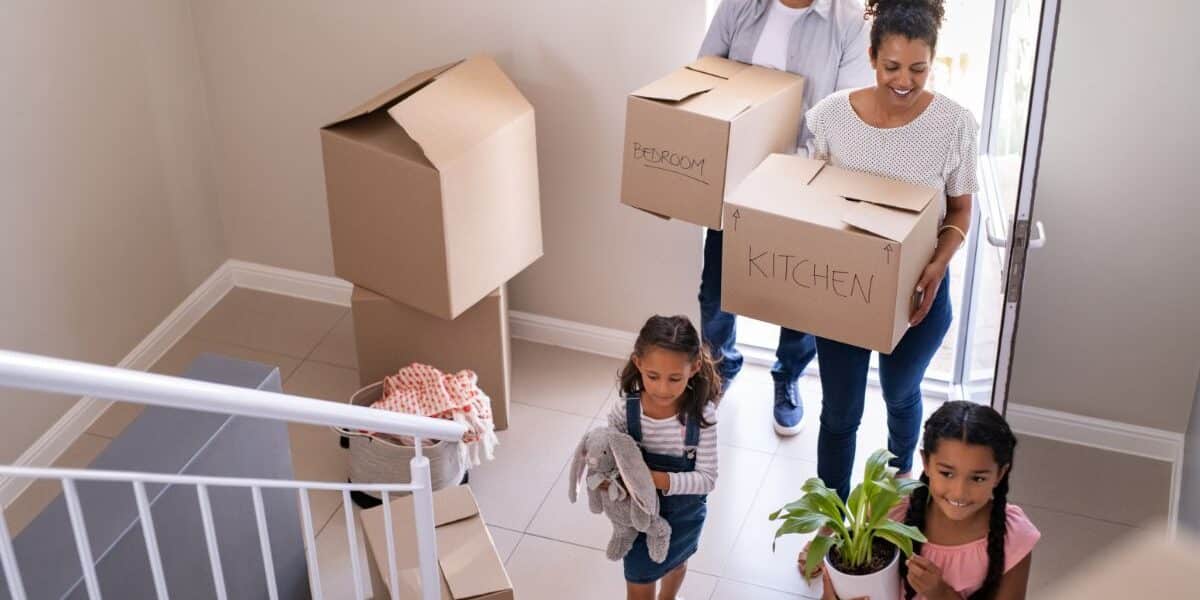
A house can look nearly ready for a move until you start checking the small spaces. There are still coats behind the kitchen door, a charger plugged in beside the bed and enough bath toys to fill another box. Then someone opens the shed, and suddenly the job feels a little bigger again.
Knowing how to prepare your family home for removal day means thinking about how things will leave the house, as well as getting them packed. The aim is to make it easy to see what is going, keep the routes clear and avoid a morning full of last-minute decisions. A walk through the house a few days beforehand can reveal jobs you’ll be glad you spotted early.
Agree What Will Be Ready Before the Team Arrives
Start by checking the details of your booking. Are you packing everything yourselves, or have you arranged packing help? Who will take apart the beds, and are there any items the movers cannot carry? Knowing the answers helps you work out which jobs need finishing before anyone knocks on the door.
When arranging a Man and Van service, describe the furniture and belongings you need moved rather than just the number of bedrooms. A spare room used as an office can hold a very different load from one containing a bed and a small wardrobe. Tell the company about large or unusually heavy items, and confirm what assistance is included.
Keep the agreed arrangements handy, including the arrival time and a contact number. If your plans or the amount of furniture change, let the company know beforehand. It’s easier to discuss another bookcase during the week than when the van is outside and everyone is waiting.
Make Three Clear Groups: Going, Staying and Travelling With You
Once the loading begins, you don’t want to be answering questions about every bag. Separate belongings that are going on the van from those you are taking yourselves. Put passports, medicines, keys and personal bags in a clearly marked area, and tell the team that these should stay where they are.
Also identify anything that belongs to the property or has been agreed to stay behind. A simple label can prevent confusion over a fitted shelf or a freestanding appliance. Check the arrangements for the handover rather than deciding on the morning that something is too much trouble to move.
Items for donation or disposal should ideally have left already. If you still have sorting to do, our guide to how decluttering can simplify family life offers manageable ways to tackle it. Keep unwanted things separate so they don’t quietly end up packed with everything else.
Clear a Route From Each Room to the Exit
Look at your home from the point of view of someone carrying a chest of drawers. Can they get through the hallway without stepping over shoes? Is there enough room to turn on the landing? A pile of neatly packed boxes can still be in the wrong place if it blocks the only route downstairs.
Move loose toys, trailing cables and small furniture out of the way, keeping stairs and exits clear throughout. Store packed boxes in stable groups away from busy routes and avoid stacking them where they could topple. Leave room for the team to work around larger items.
Check the route outside too, including gates, steps and the distance to the loading spot. If your move involves booking a man and van in Fulham, discuss the particular street and property access before the day. Ask what parking arrangements are needed and confirm any requirements with the relevant council or building manager. The same preparation is useful wherever you are moving.
Get Furniture Ready Without Creating More Work
Empty furniture unless the movers have specifically agreed that some contents can remain inside. Drawers full of books or ornaments add weight and leave more things to shift around during handling. Check wardrobes, bedside tables and the storage space inside beds, which is an easy place to forget.
If you are dismantling furniture yourselves, follow the instructions and allow enough time to finish properly. Photograph the pieces as you go and keep fixings in labelled bags with the relevant instructions. Ask for help with heavy or awkward items instead of trying to balance them while reaching for a screwdriver.
Point out existing damage or a loose panel to the removal team before they handle an item. Take a few clear photographs of valuable or fragile belongings for your own records, too. That gives you a useful reference without relying on remembering how something looked during a busy morning.
Prepare the Kitchen a Little at a Time
The kitchen usually keeps working longer than most rooms, so it helps to decide what you will use during the final couple of days. Set aside a few plates, cups and utensils, then pack the rest. Plan simple meals around food you already have so you aren’t adding another full supermarket shop to the cupboards.
Check the manufacturer’s instructions for preparing your fridge, freezer and washing machine for transport. Some jobs need time, including defrosting a freezer or letting an appliance dry. Agree who will handle disconnection, and arrange a qualified professional for work that requires one rather than leaving it as a surprise task.
Ask the movers about items such as cleaning products, aerosols and other liquids before packing them. Keep a small cleaning kit available for the empty rooms, but store it where children cannot reach it. You’ll want to wipe the last cupboard without discovering that the cloths have already left on the van.
Leave the Bathroom Usable Until the Final Morning
Pack spare towels, extra toiletries and the things nobody needs immediately, while keeping a small wash bag for each person. Check bathroom cabinets carefully and keep medicines with you. Put liquids in suitable sealed containers so a loose lid doesn’t turn a box of towels into another washing job.
Leave toilet roll, soap and a hand towel available until everyone is ready to leave. It sounds obvious, but these are exactly the things that can get packed by an enthusiastic helper. Keep a bag ready for the final damp towel so it doesn’t get mixed in with clean bedding.
Keep Children Away From the Loading Route
Open doors, unfamiliar people and furniture on the move can make the house a difficult place for small children to be underfoot. Arrange childcare where possible, or agree which adult will look after them away from the main activity. Make the same sort of plan for pets before loading starts.
For help with the family side of the change, these tips for moving house with children cover talking about the move and helping them feel involved. On removal day itself, keep their immediate needs simple: somewhere comfortable to wait, something to eat and familiar belongings close by.
Do a Final Walk Through Before Handing Over
Once the rooms are empty, check behind doors, inside cupboards and on high shelves. Remember the loft, garden storage and any outside sockets where equipment might still be plugged in. Work through one area at a time so you know what has been checked.
Take any meter readings needed for your account records and follow the agreed handover arrangements for keys and paperwork. Then check that your own travel bags are with you, rather than assuming someone else has picked them up. With the house checked and the van ready, you can leave without wondering whether there is still a whole cupboard waiting upstairs.
*This is a collaborative post